Post-Extraction Pain Management: A Complete Guide to Comfort
Written & Researched By
Editorial Team · product research desk
Sources: ADA guidelines, Mayo Clinic, PubMed, peer-reviewed dental literature
Published: September 12, 2026
Affiliate Disclosure: This article contains affiliate links. If you purchase through our links, we may earn a small commission at no extra cost to you. This supports the editorial desk. See our full disclosure and How We Make Money.
Short answer: The usual aftercare comfort stack is timed medication as written, exterior cold for the first 48 hours if your sheet wants it, a soft-food texture list, head elevation at night, and jaw rest. Simple-extraction discomfort often eases across 3 to 7 days; wisdom-teeth weeks are commonly described as 7 to 14. Those windows are research bands from public aftercare pages, not a guarantee.
JawPainAfterToothExtraction is an editorial desk. We compile published dental guidance, manufacturer specs, and community consensus. We do not run an in-house lab or a test fleet, and we do not claim we personally treated patients. This is a comfort-system checklist — not a diagnosis, not a dosing protocol, and not an Amazon “pain kit.”
Listing check: Confirm this is a comfort-system checklist (timing + exterior cold + texture + elevation + jaw rest), not an Amazon “pain kit” or clove packing paste. The ice-wrap card and the wedge card are two different SKUs — do not treat the wrap ASIN as a pillow.
Pain after an extraction is the inflammatory response aftercare pages describe as expected. The goal on this desk is to keep the day manageable so you can rest and eat — not to “eliminate pain” or speed bone fill. Hub: Pain Relief. Prep timeline: How to Prepare for a Tooth Extraction.
Before you click a kit (desk checklist)
- Read the written card first. Intervals, which medicine, and whether ice is even wanted belong to the office sheet.
- Two SKUs, two jobs: a jaw wrap is exterior cold. A wedge is overnight incline. Amazon “oral surgery pain kit” carousels mix those with clove paste.
- Texture vs medicine: a sip-cup meal is not a substitute for a missed written dose, and a pill is not a substitute for food you can finish. Menu: 7-day soft food meal plan.
- WFH vs rest: a staged laptop does not override “go home and rest.” Desk notes: Working From Home During Dental Recovery.
- Research price: a gel wrap often sits in the low-to-mid teens; a single-piece wedge around $30–$50. Those are research bands, not a live quote.
The 5-Part Comfort System
1. Medication Timing (Follow the Written Card)
The habit aftercare pages keep repeating is staying on the written interval rather than waiting until pain is already loud.
How those sheets usually phrase it:
- Take the first dose before numbness fully fades if that is what the office told you (often in a 2- to 4-hour window — confirm your card)
- Set phone alarms for the interval on the bottle
- Do not skip the first 48 hours just because the morning felt mild — that is a consistency habit, not a reason to exceed the label
Common over-the-counter names you will see on public aftercare pages:
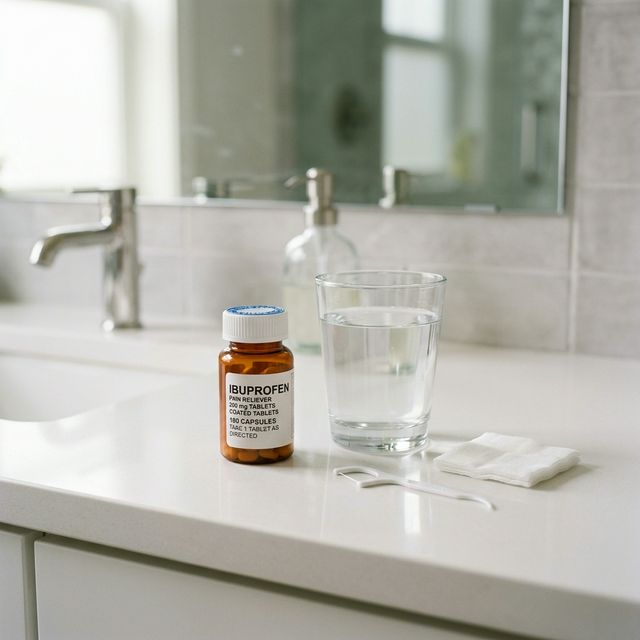
- Ibuprofen (Advil, Motrin): often listed for both discomfort and swelling. Take only as directed on the packaging or by your dentist.
- Acetaminophen (Tylenol): often listed for discomfort without an anti-inflammatory claim. Take as directed. Any alternating schedule is an office question, not a blog protocol.
If prescribed stronger medication: Use it only as written and ask when a step-down is appropriate. Drowsiness and constipation are commonly listed effects. This page does not invent a taper.
Always follow your dentist’s or doctor’s specific instructions for dosing and timing.
2. Cold Therapy (Days 1–2)
Exterior cold is a convenience tool for the first 48 hours when aftercare pages mention it for swelling comfort.
How those pages usually describe application:
- Use an ice pack or gel wrap like the REVIX jaw ice wrap against the outside of the jaw
- 20 minutes on, 20 minutes off, as a common published cadence
- A thin cloth between pack and skin
- Start when you get home if that is what the sheet says
After 48 hours: Many sheets switch from cold to warm moist heat. Follow your switch instruction. Warmth is a comfort habit, not a claim that it “promotes healing.”
3. Soft Food Diet
The wrong texture is extra work on a sore site. For the first 3 to 7 days, aftercare diet sheets stick to foods that require minimal chewing:
Best options those sheets keep listing:
- Smoothies and protein shakes (no straw, use a cup)
- Yogurt, pudding, and applesauce
- Mashed potatoes or sweet potatoes
- Scrambled eggs
- Puréed soups at room temperature or slightly warm
- Oatmeal (smooth, not chunky)
Foods those sheets skip:
- Anything crunchy (chips, nuts, raw vegetables)
- Chewy foods (steak, crusty bread, gummy candy)
- Spicy foods
- Very hot liquids
- Acidic foods (tomato sauce, citrus) if they sting
For a day-by-day calendar, see the 7-day soft food meal plan and best blenders for recovery meals.
4. Sleep Position (Head Elevation)
Lying flat is the overnight habit aftercare pages try to replace for the first 2 to 3 nights.
How to raise your head:
- Use a wedge pillow or stack 2 to 3 regular pillows
- Aim for 25 to 45-degree elevation — confirm wedge loft around 7–10 inches if you buy one
- Sleep on your back if possible
- If side sleeping, choose the side opposite the extraction
Position ranking (not a second pillow SKU) is Sleep Positions for Jaw Pain Relief.
5. Jaw Rest
Treat the jaw like a sore joint you are not trying to train:
- Avoid opening wide for several days if that is what the sheet says
- Cut unnecessary talking during the first 2 days
- Don’t chew gum
- Rest position aftercare pages name: lips together, teeth apart, tongue on the roof of the mouth
Day-by-Day Comfort Expectations
| Day | What public aftercare pages often describe | Comfort priority |
|---|---|---|
| Day 0 | Numbness fading | Start the written medicine, ice if named |
| Day 1 | Moderate | Cold + stay on the interval |
| Day 2 | Often the peak-feeling day | Same stack, soft food only |
| Day 3 | Many people start to feel a turn | Switch to warm if the sheet says so |
| Days 4–5 | Milder | Ask before you stretch the interval |
| Days 5–7 | Mild for many simple extractions | Daily-activity comfort |
| Week 2 | Still settling after wisdom teeth | Keep textures conservative if needed |
For a timeline article, see Tooth Extraction Recovery Day by Day. A laptop-day sketch is the WFH setup.
When the pattern is not the usual curve
Some patterns are a reason to call, not a reason to order a kit:
- Pain that worsens after day 3 instead of easing → dry-socket phone-call notes
- Throbbing with swelling that increases after day 3 → office question (possible infection)
- Written doses doing nothing → call; do not stack extra pills
- Fever above 101°F (38.3°C) → same-day provider contact
- Pain radiating to ear, eye, or temple → call; do not self-label it
Extra comfort habits (not a second protocol)
Warm salt water rinses (often after 24 hours, if named): 1/2 teaspoon salt in 8 ounces of warm water, gently, after meals. Compare later rinse cards in Best Oral Rinses.
Stress and clenching: Stress and jaw-pain notes sit next to the “lips together, teeth apart” habit.
Hydration: Sip water from a cup. Aftercare pages treat dehydration as a comfort problem.
Tagged Amazon cards (confirm the live titles)
| Listing | Research price band | What to confirm before you click |
|---|---|---|
| REVIX-style jaw ice wrap | About $10–$20 (research) | Live title is a jaw/face wrap, not a pillow and not clove packing paste |
| Kolbs-style bed wedge | About $30–$50 (research) | Live title is a single-piece wedge, not the wrap ASIN and not a travel U-pillow |
Desk shortlist (not a clinic log): The wrap is the first-48-hour cheek card; the wedge is the overnight incline card. We did not time pain scores on patients. If either live title is a “dry socket treatment kit,” clove paste, or a sealed pain bundle, use a tagged jaw ice wrap search or a tagged bed-wedge search instead.
When to skip DIY: Skip clove oil, skip packing paste, and skip waiting for an Amazon “pain kit” to arrive. If the curve reverses after day 2, call. Stage the station before the appointment on the prep checklist.
Key Takeaway
Comfort after an extraction is a stack of habits, not a single SKU. Stay on the written medicine, use exterior cold only if the sheet wants it, eat textures you can finish, sleep improved, and rest the jaw. Confirm wrap vs wedge on Amazon before you click. Call if the pattern is not the usual easing curve.
Related Reading
- How to Prepare for a Tooth Extraction
- 7-Day Soft Food Meal Plan
- Working From Home During Dental Recovery
- Sleep Positions for Jaw Pain Relief After Tooth Extraction
- Pain Relief
- Best Ice Packs for Jaw Pain
- Dry Socket: Signs and Prevention
Written and researched by the JawPainAfterToothExtraction Editorial Team. Sources: ADA guidelines, Mayo Clinic, peer-reviewed dental literature. We are an editorial desk, not a dental clinic.