7-Day Soft Food Meal Plan After Tooth Extraction
Written & Researched By
Editorial Team · product research desk
Sources: ADA guidelines, Mayo Clinic, PubMed, peer-reviewed dental literature
Published: September 12, 2026
Affiliate Disclosure: This article contains affiliate links. If you purchase through our links, we may earn a small commission at no extra cost to you. This supports the editorial desk. See our full disclosure and How We Make Money.
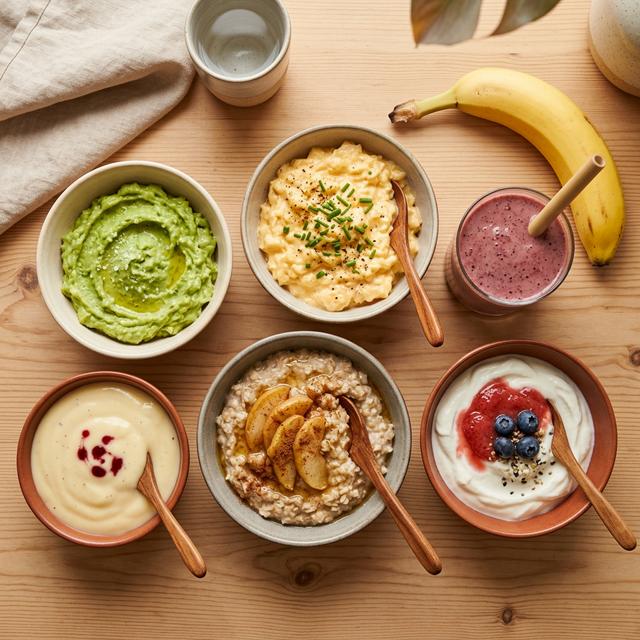
Short answer: Eat soft, nutrient-dense foods that require minimal chewing for at least 3 to 7 days after extraction. Aftercare diet sheets keep repeating protein (Greek yogurt, eggs, protein shakes), spoonable produce, and enough calories to finish the day. Avoid anything crunchy, chewy, spicy, or very hot unless your written instructions say otherwise.
JawPainAfterToothExtraction is an editorial desk. We compile published dental guidance, manufacturer specs, and community consensus. We do not run an in-house lab or a test fleet, and we do not claim we personally treated patients. This is a day-by-day texture calendar for the first week — not a healing-speed diet trial and not an Amazon “recovery meal kit.”
Listing check: Confirm this page is a day-by-day texture calendar — not a grocery shopping list and not an Amazon “recovery meal kit.” The blender card below is a kitchen tool, not a food SKU. This ASIN is also reused as the NutriBullet on the grocery and blender pages, so read the live title for a sip-lid personal cup, not a straw-lid pitcher.
Your jaw needs rest. Your kitchen still needs meals you can finish without chewing. Pair this calendar with the pre-extraction grocery list (what to buy) and the prep checklist (when to buy it). Texture variety lives on Best Soft Foods After Dental Surgery. Hub stocking notes are on Soft Food Product Ideas.
Before you cook (desk checklist)
- Do you already have a blender that can puree? If yes, skip a new motor. Stock cups and lids. Form factors are in the blender guide.
- Lid type: drink from the rim. A straw lid recreates the suction aftercare pages warn about.
- This page vs the grocery list: this is the day-by-day menu. The grocery list is the cart. Do not buy an Amazon “7-day recovery meal kit” that mixes seeds, granola, and a sealed gauze box.
- Temperature: cool or room-temp on day 1; lukewarm later if your sheet allows it. Very hot soup is a comfort problem, not a “healing boost.”
- Research price: a 6-pack of Greek yogurt often sits around $6–$10; a personal blender in the $30–$70 band. Those are research bands, not a live quote and not a reason to buy a $400 pitcher for one week.
Before Your Extraction: Prep Checklist
Prepare these items before your extraction day so you are not cooking on peak-swelling day.
Freezer prep (make ahead):
- 4 portions of puréed soup (butternut squash, potato leek, or a non-acidic blended soup your sheet allows)
- 6 smoothie packs (pre-portioned ingredients in zip-lock bags)
- 2 portions of mashed sweet potatoes
Grocery shopping list (plain cups only):
- Greek yogurt (6-pack) — skip granola mix-ins
- Unsweetened applesauce cups or pouches (8-pack) — no seeds
- Pudding cups (4-pack)
- Bananas (4-5)
- Avocados (3)
- Eggs (12-pack)
- Protein powder (vanilla or chocolate)
- Whole milk or oat milk
- Instant oatmeal packets (smooth, not “harvest” chunks)
- Cottage cheese
- Honey
- Salt (for warm salt water rinses if your office named that habit)
Equipment check:
- Blender or personal blender like the NutriBullet — see our blender guide
- Microwave-safe bowls
- Soft-tip spoons (optional; gentler on a sore mouth)
The 7-Day Plan
This is a texture calendar compiled from aftercare diet sheets. It is not a promise that day 5 “unlocks chewing” or that any meal closes a socket faster. Follow your own provider’s food list if it differs.
Day 1: Extraction Day (Cool, Liquid-Focused)
Your mouth is usually most tender today. Stick to cool or room-temperature items that require zero chewing.
| Meal | What to Eat |
|---|---|
| Post-procedure | Let the clot settle — nothing for the window your office named (often 30–45 min) |
| First meal | Cold smoothie: banana + yogurt + protein powder (no straw) |
| Dinner | Room-temperature applesauce + pudding cup |
| Snack | Ice cream or frozen yogurt if that feels okay on the site |
Hydration: Sip room-temperature water throughout the day. Avoid straws.
Day 2: Peak Swelling Day
Swelling often peaks today. Continue with cool, minimal-effort foods. If you are also trying to answer Slack from a recliner, the work-from-home setup is the desk twin of this menu.
| Meal | What to Eat |
|---|---|
| Breakfast | Smoothie: banana + Greek yogurt + honey + protein powder |
| Lunch | Mashed avocado with a pinch of salt |
| Dinner | Slightly warm puréed soup (butternut squash or potato leek) |
| Snack | Cottage cheese + mashed banana |
Day 3: Starting to Improve
You can begin introducing slightly warmer and more textured soft foods if the site feels ready.
| Meal | What to Eat |
|---|---|
| Breakfast | Instant oatmeal (smooth, not chunky) with honey and mashed banana |
| Lunch | Scrambled eggs (soft-cooked, no crispy edges) |
| Dinner | A lukewarm blended soup your sheet allows — skip acidic tomato if it stings |
| Snack | Greek yogurt with honey |
Day 4: Expanding Variety
Jaw stiffness is often lower. Add more protein-rich options you can still mash.
| Meal | What to Eat |
|---|---|
| Breakfast | Smoothie bowl: blended berries + banana + yogurt, eaten with a spoon |
| Lunch | Mashed sweet potato with butter and a touch of cinnamon |
| Dinner | Soft-cooked pasta (overcooked slightly) with a smooth, non-spicy sauce |
| Snack | Pudding cup + banana |
Day 5: Light Chewing Returns
Many aftercare pages treat light chewing as a later-week option. If it still hurts, stay on day 3 textures.
| Meal | What to Eat |
|---|---|
| Breakfast | Pancakes (soft, thin) with butter and syrup |
| Lunch | Egg salad (finely mashed) on very soft bread |
| Dinner | Risotto or congee (rice porridge) with soft vegetables |
| Snack | Smoothie with protein powder |
Day 6: Near-Normal Soft Diet
Wider variety, still avoiding hard, crunchy, and chewy foods.
| Meal | What to Eat |
|---|---|
| Breakfast | French toast (soaked well) with maple syrup |
| Lunch | Soft fish (baked cod or tilapia) with mashed potatoes |
| Dinner | Mac and cheese (well-cooked, soft noodles) |
| Snack | Hummus with very soft pita — not chips |
Day 7: Transition Day
You may be comfortable with most soft foods. Reintroduce normal textures only as your written instructions allow.
| Meal | What to Eat |
|---|---|
| Breakfast | Omelet with soft vegetables (mushrooms, spinach) |
| Lunch | Soft chicken salad on white bread |
| Dinner | Tender pasta with meatballs (cut small) |
| Snack | Fruit smoothie or soft fruit (bananas, canned peaches) |
Nutrition notes aftercare pages keep repeating
Published extraction diet sheets keep pointing at the same gaps. This is stocking, not a claim that any nutrient “repairs the socket faster.”
Protein, the usual gap when chewing is limited. Aftercare pages list Greek yogurt, eggs, protein shakes, cottage cheese, and soft fish. Adults often see 50 to 70g as a general daily range on public nutrition pages — confirm what your provider wants.
Vitamin C and A, commonly named on wound-care diet handouts. Sources people actually finish: strawberry or orange smoothies if acidity is tolerated, mashed sweet potato, blended carrot soup.
Zinc, listed on some public healing-nutrition pages. Sources: eggs, yogurt, mashed soft-cooked beans.
Hydration, water and broth you can sip from a cup. Dehydration makes a sore day feel worse. “8 glasses” is a research-band habit, not a medical prescription.
Comfort-system notes that sit next to this calendar: Post-Extraction Pain Management and Sleep Positions for Jaw Pain Relief.
Foods to Avoid for the Full Week
| Category | Why aftercare pages skip them |
|---|---|
| Crunchy (chips, nuts, raw carrots) | Debris and impact on a tender site |
| Chewy (steak, crusty bread, bagels) | Extra jaw effort |
| Spicy (hot sauce, chili, curry) | Sting and irritation |
| Very hot liquids or food | Aftercare pages treat heat as a clot-comfort risk |
| Acidic (tomato sauce, citrus juice, vinegar) | Sting; skip if it hurts |
| Seeds and grains (quinoa, seeded bread, popcorn) | Can lodge in the socket |
| Alcohol | Aftercare pages flag this against medication and dehydration — see your written sheet |
Tagged Amazon card (confirm the live title)
| Listing | Research price band | What to confirm before you click |
|---|---|---|
| Personal blender (NutriBullet-style cup) | About $30–$70 (research) | Live title is a sip-lid personal cup, not a straw-lid travel cup and not a food kit |
Desk shortlist (not a kitchen diary): The personal-cup card is a one-handed prep tool for this calendar. We did not puree sockets in a lab. If the live title is a pitcher-only unit or an Amazon “recovery meal kit,” use a tagged personal-blender search instead. More motors are on Best Blenders for Soft Food.
When to skip DIY: Skip buying a sealed “7-day surgical meal kit.” Skip any cup that only works with a straw. If food is packed in the socket and a gentle salt-water tilt does not clear it, that is a dentist call, not a new smoothie recipe. Aisle-by-aisle shopping is the grocery list.
Key Takeaway
A 7-day meal plan is a texture calendar, not a healing protocol. Prep before the appointment, drink from a cup, and treat protein as the usual gap. Confirm lid type on Amazon before you click. Your written diet sheet still wins if it disagrees with this page.
Related Reading
- How to Prepare for a Tooth Extraction
- Working From Home During Dental Recovery
- Sleep Positions for Jaw Pain Relief After Tooth Extraction
- Post-Extraction Pain Management
- Soft Food Product Ideas
- Pre-Extraction Grocery List
- Best Soft Foods After Dental Surgery
Written and researched by the JawPainAfterToothExtraction Editorial Team. Sources: ADA guidelines, Mayo Clinic, peer-reviewed dental literature. We are an editorial desk, not a dental clinic.