Smoking After Tooth Extraction: Risks, Timeline, and Safer Alternatives
Written & Researched By
Editorial Team · product research desk
Sources: ADA guidelines, Mayo Clinic, PubMed, peer-reviewed dental literature
Published: May 26, 2026
Short answer: Do not smoke for at least 72 hours after a tooth extraction — ideally, wait a full 7 days. Smoking raises your risk of dry socket from around 4% to 12% or higher, introduces harmful chemicals to an open wound, and significantly delays healing.
If you’re a smoker facing an extraction, this is one of the most important pieces of recovery advice you’ll receive. Smoking is the single largest modifiable risk factor for post-extraction complications, and understanding exactly why — and how to manage the first week — makes a real difference in your outcome. The shorter “when it’s safe” companion is smoking after tooth extraction.
Why Smoking Is Dangerous After Extraction
The problems with smoking after extraction come from three distinct mechanisms, each one enough to cause complications on its own:
1. Suction Dislodges the Blood Clot
The physical act of inhaling on a cigarette creates negative pressure inside your mouth. That suction force can pull the blood clot out of the extraction socket — the same mechanism that makes using straws risky after extraction. Without the clot, you develop dry socket: exposed bone, intense radiating pain, and an extra visit to the dentist.
2. Chemicals Impair Healing
Cigarette smoke contains over 7,000 chemicals, including nicotine, carbon monoxide, and hydrogen cyanide. These substances directly impair healing:
- Nicotine constricts blood vessels, reducing blood flow to the extraction site. Less blood flow means fewer immune cells, less oxygen, and slower delivery of the nutrients your body needs to build new tissue.
- Carbon monoxide binds to hemoglobin more readily than oxygen, reducing the oxygen-carrying capacity of your blood. The extraction site essentially suffocates at a cellular level.
- Tar and particulates deposit directly onto the open wound, introducing irritants and potential infection sources.
3. Heat Damages the Wound
The temperature of inhaled cigarette smoke can reach 400°F to 900°F at the tip. By the time it reaches the back of your mouth, it’s cooled considerably — but the heat still exceeds what a fresh extraction wound can tolerate without irritation. Hot smoke passing over the socket can destabilize the blood clot and inflame surrounding tissue.
The Numbers: Smoking and Dry Socket Risk
Research published in the International Journal of Dentistry and the Journal of Oral and Maxillofacial Surgery consistently shows elevated complication rates for smokers:
| Non-Smokers | Smokers | |
|---|---|---|
| Dry socket incidence (routine extraction) | 2–4% | 12–15% |
| Dry socket incidence (wisdom teeth) | 5–10% | 20–35% |
| Infection rate | 1–3% | 5–8% |
| Average healing time | 7–10 days | 14–21 days |
The dose-response relationship is clear: the more you smoke and the sooner you resume after extraction, the higher your risk.
The Safe Smoking Timeline
Every dentist will tell you to quit entirely during recovery. Here’s the minimum timeline if complete abstinence isn’t realistic for you:
Hours 0–72: Absolute Minimum No-Smoking Period
This is when the blood clot is most vulnerable. Any suction, heat, or chemical exposure during this window dramatically increases your dry socket risk. The 72-hour mark is the floor, not the ceiling.
Days 3–5: High Risk Still Present
The clot is more stable but not secure. If you must smoke, some dentists suggest placing damp gauze over the socket before smoking to provide a barrier, though this is a risk-reduction strategy, not risk elimination. Reduce the number of cigarettes to the absolute minimum.
Days 5–7: Risk Decreasing
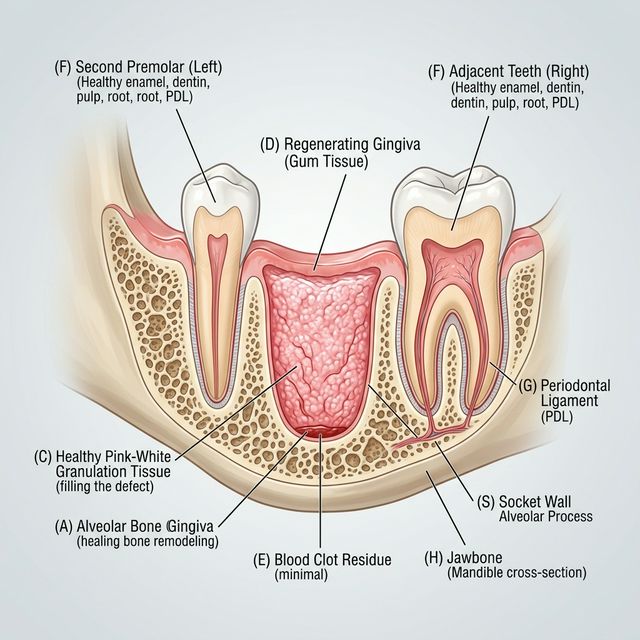
By day 5, granulation tissue is typically forming over the socket, providing some natural protection. The risk of clot dislodgement drops significantly. Light smoking becomes less dangerous, but healing is still slower in smokers than non-smokers at this stage.
Day 7+: Gradual Return
Most dentists consider the critical healing window closed by day 7 for routine extractions. You can resume your normal habits, though continued smoking will slow the remaining healing process. For wisdom tooth extractions, extending caution through day 10 is advisable.
What About Vaping and E-Cigarettes?
Many patients assume vaping is a safe alternative during recovery. It’s not — though it carries slightly different risks:
Suction risk is the same. Inhaling from a vape device creates the same negative pressure as a cigarette. The blood clot doesn’t know the difference between a Juul and a Marlboro.
Nicotine effects are the same. Whether nicotine comes from a cigarette or a vape pod, the vasoconstriction and reduced blood flow are identical. If you vape nicotine-containing liquids, you get the same healing impairment.
Chemical exposure is reduced but not eliminated. Vaping produces fewer toxic chemicals than combustible cigarettes, but the aerosol still contains propylene glycol, vegetable glycerin, flavoring agents, and trace metals that you don’t want contacting an open wound.
Bottom line: Vaping should follow the same timeline restrictions as smoking. The 72-hour minimum applies.
Nicotine Patches and Gum: A Better Option?
Nicotine replacement therapy (NRT) addresses cravings without the suction and heat risks of smoking:
Nicotine patches deliver nicotine through the skin. No suction, no smoke, no direct wound exposure. The vasoconstriction effect from nicotine still exists, meaning healing will be somewhat slower than going nicotine-free entirely — but it’s dramatically safer than smoking.
Nicotine gum is more complicated. Chewing can disturb a lower extraction site, and the nicotine contacts oral tissue directly. If you use nicotine gum, chew on the opposite side of your mouth from the extraction and avoid it for the first 24 hours.
Talk to your dentist before your extraction about NRT options. Planning ahead makes the first 72 hours much more manageable.
Practical Strategies for Managing Cravings
Getting through a week without smoking while also dealing with post-extraction pain takes real effort. These strategies come from both dental recovery protocols and smoking cessation research:
Use the extraction as a reset opportunity. Research from the Addiction journal shows that medical procedures create a “teachable moment” where smokers are more receptive to quitting. Some patients use their extraction recovery as the starting point for permanent cessation.
Keep your hands busy. Much of the smoking habit is physical ritual. Having something to hold and fidget with can reduce the urge to reach for a cigarette.
Manage pain proactively. Pain increases cravings. Follow your dentist’s pain management instructions carefully — staying ahead of pain with medication keeps cravings more manageable. See our managing pain guide for tips.
Stay hydrated. Drinking cool water frequently gives your mouth something to do and helps with both recovery and craving management.
Avoid triggers. If you normally smoke with coffee, after meals, or in certain locations, temporarily change those routines during your recovery week.
Signs You Smoked Too Soon
If you did smoke and are worried about complications, watch for:
- Pain that suddenly worsens on days 3 to 5 instead of steadily improving
- A visible empty socket where you can see whitish bone instead of a dark clot
- Bad taste or foul odor that doesn’t improve with gentle rinsing
- Radiating pain toward your ear, temple, or eye on the same side
These are classic dry socket symptoms. Contact your dentist promptly — dry socket is treatable with a medicated dressing that typically provides relief within 30 minutes.
Smoking and Bone Graft Complications
If your extraction included a bone graft for a future implant, smoking carries even higher stakes. Nicotine’s vasoconstriction effect impairs blood supply to the graft material, increasing graft failure rates significantly. Most oral surgeons strongly advise complete smoking cessation for 2 to 4 weeks after a bone graft procedure. The investment in the graft — both financial and physical — makes this one situation where the motivation to abstain is especially high.
For more on graft recovery, see our bone graft after tooth extraction guide.
Frequently Asked Questions
Can I smoke marijuana after tooth extraction?
No. Smoking marijuana involves the same suction, heat, and smoke exposure as cigarettes. Edibles are a potential alternative after 24 hours (soft edibles only), but discuss this with your dentist, as THC may interact with prescribed medications.
How many hours after extraction can I have one cigarette?
The absolute minimum is 72 hours, but one cigarette at 72 hours still carries meaningful risk. Every additional hour you wait reduces your chance of complications. If you can make it to day 5, your risk drops substantially.
Does smoking cause more pain after extraction?
Yes. Smokers consistently report higher pain levels during recovery, likely due to reduced blood flow, slower healing, and higher complication rates. Dry socket — which is 3 to 4 times more common in smokers — causes pain significantly worse than the extraction itself.
Will my dentist know if I smoked after extraction?
Often, yes. Delayed healing, a dry or discolored socket, and the smell of smoke on the wound site are visible to an experienced dentist. More importantly, being honest with your dentist helps them provide appropriate treatment if complications develop.
Can I use a nicotine pouch instead of smoking?
Nicotine pouches (placed between the lip and gum) avoid the suction and heat risks but deliver nicotine directly to oral tissue. Place the pouch on the opposite side of your mouth from the extraction site, and wait at least 24 hours before using them. They’re a better option than smoking but not risk-free.
Key Takeaway
Smoking is the single biggest controllable risk factor for dry socket and delayed healing after tooth extraction. The 72-hour minimum no-smoking window is the bare minimum — a full week is far better. Nicotine patches are the safest way to manage cravings during recovery. If you can use your extraction recovery as a jumping-off point for quitting entirely, your long-term oral health will benefit dramatically.
Written and researched by the editorial team. Sources: ADA guidelines, Mayo Clinic, peer-reviewed dental literature.
Sources: International Journal of Dentistry; Journal of Oral and Maxillofacial Surgery; Addiction journal; American Dental Association.